
2026-10-08 · David Ramirez
Timing Your Roof Replacement Around Houston's Rainy Season
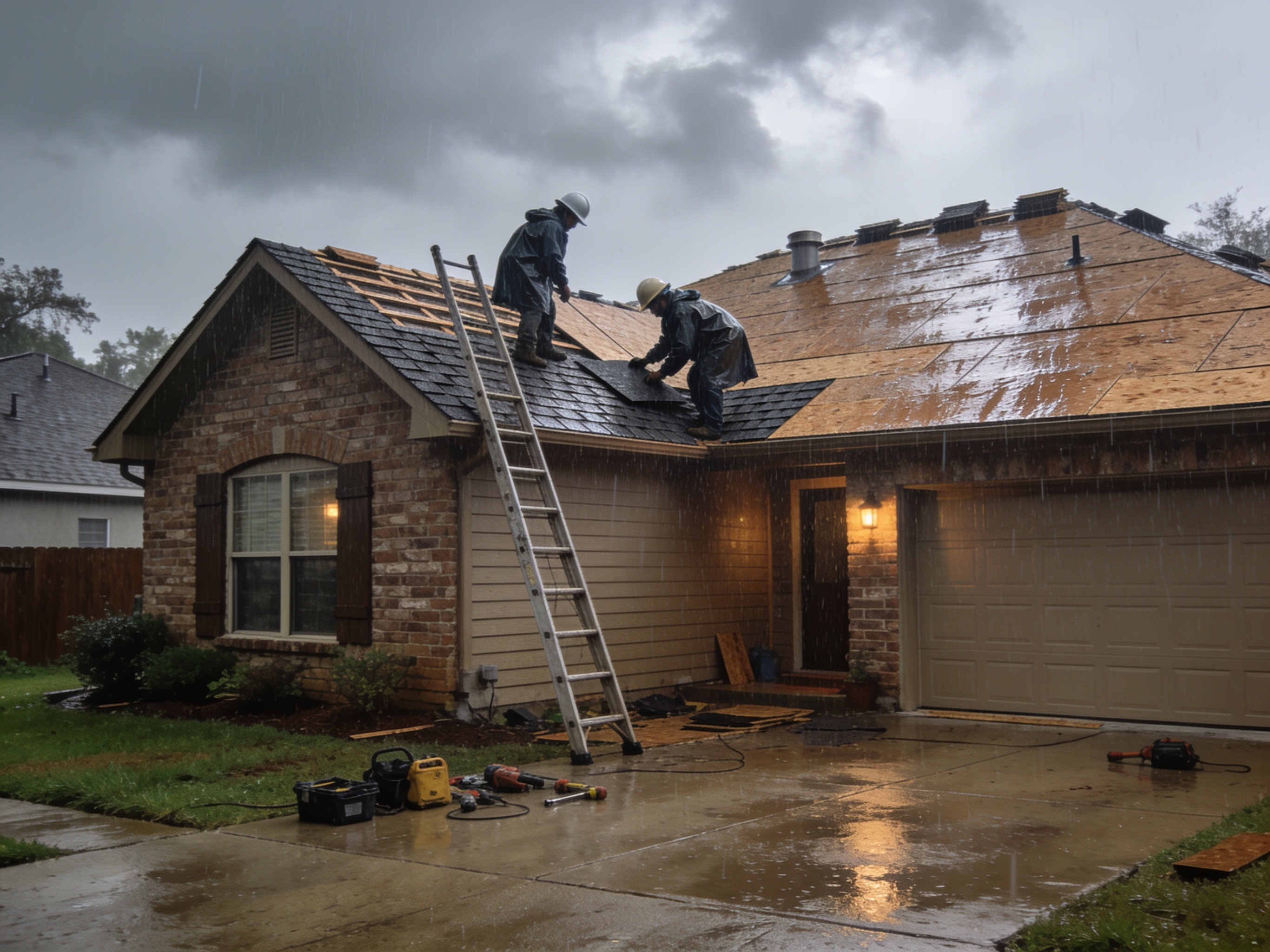
Timing your roof replacement in Houston is best done during the drier periods, specifically from late spring through early fall, roughly May to October, to avoid the peak of the rainy season. While Houston's subtropical climate means rain can occur year-round, the heaviest and most frequent downpours, often accompanied by severe thunderstorms and even tropical systems, typically hit during the cooler months and hurricane season. Opting for a replacement outside these intense periods allows for consistent work, better material adhesion, and reduces the risk of weather-related delays or complications during the critical installation phase. This strategic timing is especially important in areas like Montrose or River Oaks, where older homes might be more susceptible to immediate water intrusion if a roof is exposed during a sudden downpour, emphasizing the need for careful planning.
Understanding Houston's Rainy Season Patterns
Houston, situated in Harris County, experiences a distinct subtropical climate characterized by hot, humid summers and mild winters. However, the term "rainy season" isn't as clear-cut as in some other climates. While tropical systems and hurricanes can bring torrential rain from June to November, significant rainfall is also common during the spring and late fall. The city's proximity to the Gulf of Mexico means moisture is almost always in the air, leading to unpredictable pop-up showers, especially in the afternoons. This constant humidity and occasional heavy rain can significantly impact a roof replacement project. For instance, asphalt shingles require dry conditions for proper sealing and adhesion, which is crucial for their long-term performance and preventing issues like granule loss or cracked shingles after hail. Planning your project requires more than just looking at average rainfall; it involves understanding the intensity and frequency of storms that could halt work or compromise new materials.
The Risks of Replacing Your Roof During Peak Rain
Undertaking a major project like a <a href="/services/hail-damage-roof-replacement">Hail Damage Roof Replacement</a> during Houston's wettest periods carries several risks. Firstly, exposed roof decking, even for a short time, can lead to significant water damage inside your home if an unexpected downpour occurs. This is a particular concern for homes in low-lying areas or those with complex rooflines common in neighborhoods like the Heights. Secondly, high humidity and wet conditions can compromise the effectiveness of roofing adhesives and sealants, potentially leading to premature failure of the new roof system. Lastly, worker safety is a major concern on wet, slippery surfaces, increasing the likelihood of delays and complications. It’s always better to wait for a clear weather window than to rush a job, especially when dealing with the aftermath of <a href="/services/storm-damage-roof-repair">Storm Damage Roof Repair</a>.
Ideal Months for Roof Replacement
Based on Houston's typical weather patterns, the most favorable months for a roof replacement project are generally April, May, September, and October. These months often offer a good balance of drier days and more moderate temperatures, which are ideal for roofing crews and material installation. While June, July, and August can also be relatively dry, the intense heat and humidity can make working conditions challenging and affect the curing time of some roofing materials. Avoiding the peak of hurricane season, which runs from June 1 to November 30, is also a wise strategy, as a direct hit or even a strong tropical storm can bring weeks of disruptive weather. When planning, consider that a typical roof replacement can take anywhere from 2 to 5 days, depending on the size and complexity of the roof, so a sustained period of good weather is essential.
Factors Influencing Your Roof Replacement Schedule
Beyond just the weather, several other factors should influence your roof replacement schedule. The availability of roofing contractors is a significant one, especially after widespread hail events that affect areas from Katy to Pearland. Reputable companies often have booked schedules months in advance during peak season. The type of roofing materials you choose can also play a role; some materials, like certain adhesives for flat roofs common in Midtown or Downtown commercial buildings, may have specific temperature and humidity requirements for optimal installation. Furthermore, if your replacement is due to <a href="/services/hail-damage-roof-leaks-repair">Hail Damage Roof Leaks Repair</a>, addressing the issue promptly is paramount, even if it means temporary repairs until optimal weather allows for a full replacement. For more insights into planning, read our article on <a href="/blog/cost-factors-for-hail-damage-roof-replacement-in-houston-neighborhoods">Cost Factors for Hail Damage Roof Replacement in Houston Neighborhoods</a>.
Preparing for Your Roof Replacement, Rain or Shine
Even with careful planning, Houston's weather can be unpredictable. Therefore, preparation is key. Ensure your chosen roofing contractor has a robust plan for unexpected rain, including proper tarping and securing of exposed areas. Discuss their emergency procedures for sudden downpours. Clear your yard of any obstacles, such as patio furniture or grills, to provide clear access for the crew. Protecting landscaping around your home, particularly in densely vegetated areas like River Oaks, is also important. While timing is crucial, having a contractor who prioritizes safety and contingency planning, like Texas Roof Craft, ensures your project proceeds as smoothly as possible, regardless of whether you're near the Houston Zoo or Space Center Houston.