
2026-10-08 · David Ramirez
How to Inspect Your Roof for Hail Damage After Houston Storms
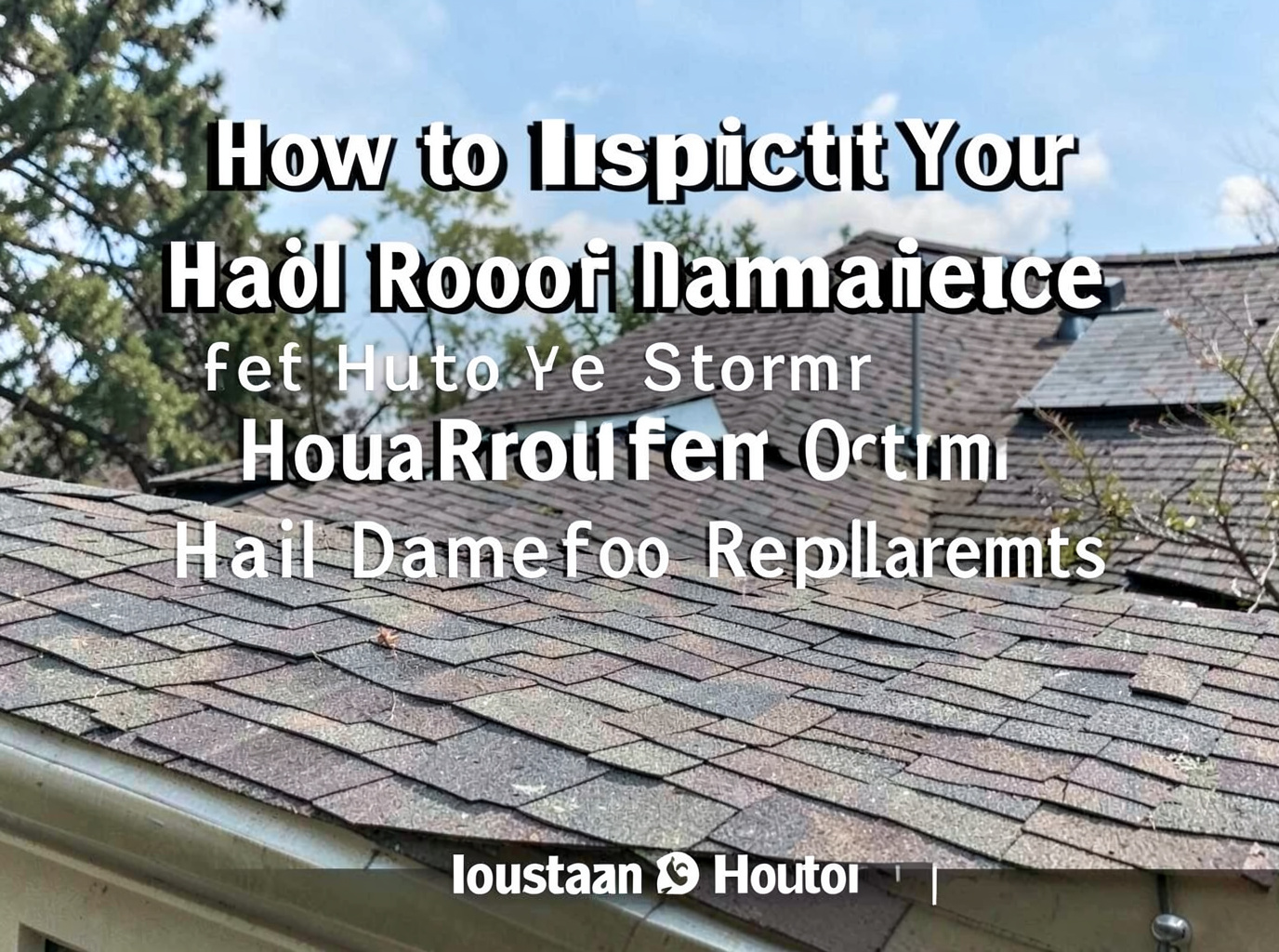
To inspect your roof for hail damage after Houston storms, start by safely examining your entire property from the ground for obvious signs like dented gutters, damaged siding, or broken windows, then carefully look for impact marks on roof accessories like vents and flashing, and finally, if safe, get a closer look at shingles for granule loss, bruising, or cracks. Houston's subtropical climate, with its hot, humid summers and occasional severe thunderstorms, means hail can strike quickly and cause significant, yet sometimes subtle, damage. Even small hail, common in areas like Montrose or River Oaks, can compromise the integrity of your roofing materials over time, leading to leaks if left unaddressed. It’s not just about the size of the hailstones, but also their density, the wind speed during the storm, and the age and type of your roofing material that dictate the extent of the damage.
Prioritizing Safety During Your Inspection
Before you even think about climbing onto your roof, prioritize your safety. A visual inspection from the ground is always the safest first step. Use binoculars to get a closer look at your roof's surface from a safe distance. Look for any visible signs of distress from your yard or a second-story window. Never attempt to get on a roof that is wet, icy, or still experiencing adverse weather conditions. If you're uncomfortable with heights or suspect significant damage, it's always best to call a professional for a detailed inspection. Our team regularly navigates roofs across Harris County, from older homes in the Heights to newer constructions in Katy, and we understand the specific safety considerations for each property type and roof pitch.
Ground-Level Assessment: What to Look For Around Your Home
Hail damage isn't always confined to just the roof. A thorough ground-level assessment can provide strong clues about potential roof damage. Walk around your entire property, paying close attention to: Gutters and Downspouts: Look for dents, dings, or cracks. Hailstones can leave noticeable impact marks on metal gutters and downspouts. If your gutters are damaged, it's a strong indicator that your roof likely took a hit too. You can learn more about specific issues at our page on Hail Damaged Gutters. Siding and Windows: Check for cracks, chips, or impact marks on vinyl siding, wood siding, or window frames. Even small hail can chip paint or cause subtle indentations. Decks and Patios: Examine wooden decks or patio furniture for pockmarks or splintering. Outdoor Appliances: Look at air conditioning units, outdoor light fixtures, and mailboxes for dents or damage. The presence of damage on these items suggests the storm was severe enough to impact your roof.
Inspecting Roof Accessories and Protrusions
Once you've assessed the ground level, turn your attention to the various components protruding from your roof. These are often made of softer metals or plastics and can show hail damage more clearly than shingles. Look for: Roof Vents: Metal or plastic roof vents are highly susceptible to hail impacts. Check for dents, cracks, or punctures. Even small impacts can compromise their integrity, leading to leaks. We often see significant damage to these in areas like Sugar Land and Pearland after a strong storm. Chimney Caps and Flashing: Inspect metal chimney caps and the flashing around chimneys, skylights, and pipe vents for dents or creasing. This is a common area for water intrusion if the flashing is compromised. Skylights: Check skylight frames for cracks and the glass for any impact marks or fractures. Even small cracks can lead to significant water damage inside your home. These elements can often reveal the size and intensity of the hailstones that fell.
Close-Up Roof Inspection: Shingles and Their Condition
If it's safe to do so, or if you're using binoculars from a safe vantage point, examine your shingles closely. This is where the most critical damage often occurs. Look for: Granule Loss: Hail impacts can dislodge the protective granules from asphalt shingles, exposing the asphalt mat underneath. You might see piles of granules in your gutters or downspouts. This is a common sign of hail damage and can lead to premature aging of your roof. Bruising or Soft Spots: Hail can bruise the shingle mat without necessarily breaking through it. These areas feel soft or spongy to the touch and can be difficult to spot from the ground. Over time, these bruised spots can degrade, leading to leaks. Cracked Shingles: Severe hail can cause shingles to crack, especially older or brittle ones. Look for star-shaped cracks or crescent-shaped fractures. Missing Shingles: While often associated with wind, severe hail accompanied by strong winds can also dislodge or break off shingles. If you notice any of these signs, particularly after a storm that passed over areas like Midtown or Downtown, it's time to consider a professional Hail Damage Roof Inspection.
Understanding What Hail Damage Looks Like on Different Roof Types
The appearance of hail damage varies significantly based on your roofing material. For asphalt shingles, you'll primarily look for granule loss, bruising, and cracking. On metal roofs, hail typically leaves circular dents or pockmarks, which can compromise protective coatings and lead to rust. Tile roofs, common in some Houston neighborhoods, can show chips, cracks, or even shattered tiles, which are often quite visible. Wooden shake roofs might exhibit splits or indentations. Given Houston's diverse housing stock, from historic homes near the Houston Zoo to modern residences closer to Space Center Houston, understanding these material-specific indicators is key. Regardless of your roof type, any sign of impact damage warrants further investigation. For more on the financial aspects, consider reading our article on Cost Factors for Hail Damage Roof Replacement in Houston Neighborhoods.